A good event feels like a story that moves. People arrive and spot something colorful and inviting. They try an easy game, then graduate to a bigger challenge, and before long there is a friendly line at the showstopper attraction. Pairing inflatable games with interactive fun sets that arc. Do it well and you raise dwell time, guest satisfaction, and the number of smiles in every photo.
I have planned, set up, and run more than a hundred family days, festivals, school carnivals, and company picnics. The same principles show up each time, whether the headline piece is an inflatable obstacle course, a giant slide, or a quirky interactive game that pulls a crowd. You match the energy of the attraction to the age and size of your audience, you shape the layout so people flow without bottlenecks, and you tune the mix so lines feel exciting rather than frustrating.
Start with the crowd you have, not the catalog you want
Rental catalogs are fun to browse. The trick is translating options into a plan that fits your people and your space.
For preschool and early elementary ages, low walls, bright themes, and short climb heights work best. Inflatable bounce houses with soft obstacles, bounce houses with slides, and small bounce house combos let kids move without getting overwhelmed. If you expect a range from age 3 to 7, an obstacle course bounce house around 30 to 40 feet long usually hits the sweet spot. It looks big, but the elements are friendly and the finish line is in sight for little legs.
The middle grades can handle more height and competition. Inflatable obstacle courses in the 40 to 70 foot range, dual lane slides, and skill challenges like inflatable basketball or soccer shootouts keep energy high. Timed races help manage lines and keep friends cheering for each other.
Teens and adults respond to speed, height, and bragging rights. Think larger inflatable obstacle courses with crawl tubes, climb walls, and slide finales, plus head to head interactive games. If water is allowed and the season permits, inflatable water slides paired with a dunk tank, a slip and slide, or a water balloon arena turn a hot afternoon into a stay-all-day memory.
Corporate and mixed age crowds benefit from zones. Place a toddler friendly cluster near shade and seating, a primary action lane for grade schoolers, and the main draw in a visible spine that pulls people through the site. The right mix of inflatable party rentals makes everyone feel considered.
The main categories, and where each shines
Inflatable bounce houses are the gateway attraction. They set the tone and give younger kids a safe win. Standard sizes run roughly 13 by 13 feet with a 15 to 16 foot height. Most require one blower, which typically draws 7 to 12 amps on a standard 110 volt circuit. I allow five feet of clearance on all sides and overhead space clear of branches or lights. For indoor gyms or community centers, measure doorways. A common rolled unit fits through double doors, but single doors with narrow vestibules can turn into a puzzle.
Bounce house combos raise the engagement. A typical combo adds a mini obstacle, a climb, and a slide to one side. Good combos keep circulation inside the unit so you do not need a separate entrance and exit area. For birthday parties or small field days, two combos cover a wide age range and reduce line pressure. If your budget allows for only one large piece plus a few small games, a combo earns its keep.
Obstacle course bounce house units deliver spectacle. Even a 30 foot course offers the thrill of a race. Longer courses, sometimes paired in U shapes or with a central turn, draw crowds from across a park field. The dual lane format is your friend. It balances throughput with the joy of head to head competition. In my experience, two staffers can move twenty to thirty participants through a medium course in ten minutes during peak flow, as long as the course is visible, the start line is clean, and the rules are short and clear.
Inflatable water slides are a summer magnet. Heights range from 12 feet to towering pieces over 20 feet. The footprint includes the runout pool or splash pad. On setup, I always check the ground slope with a small level. Even a gentle grade can change water depth across the pool. Many units connect to a garden hose that mists the slide surface at a steady trickle. Water usage varies, but a typical hose can run at 2 to 5 gallons per minute. Use a shutoff nozzle to pause the flow during lulls to conserve water and limit mud.
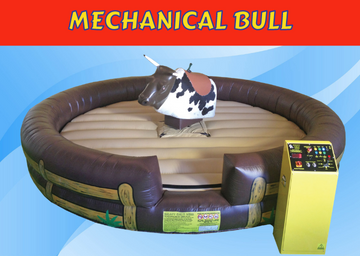
Interactive games cover a wide world. Some are inflatable, like bungee runs, pedestal jousts, and floating ball target challenges. Others are compact and modular, like LED reaction games, hockey shots, football tosses, and ring the bell strikers. When you layer interactive games around your inflatables, you give guests something to do while friends are in line, and you provide a different kind of win for kids who prefer skill over sprinting.
Pairing strategies that actually work on event day
The best pairings create a rhythm between big draws and quick hits. Put your longest duration attraction, often the large obstacle course or tall slide, where people will see it as soon as they arrive, but do not trap it at a pinch point. Then surround it with two to four short turn games that reset quickly. That ratio lets guests bounce between activities and keeps parents from staring into a single line for twenty minutes.
Complementary themes help, but function matters more than graphics. A sports themed combo beside a neutral obstacle course works just as well as a perfectly matched pair of jungle prints if the flow is right. What really matters is throughput matching. Do not place two slow turn attractions side by side, or both lines will suffer and people will drift away. A dual lane game balances a single lane neighbor. A 60 foot course pairs nicely with a basketball shootout and a ring toss, since those two reset in seconds and let you run small prize contests to spike energy.
Weather changes everything. Dry slides become racing towers in a brisk breeze but must be anchored within the manufacturer spec. Water slides slow down inflatable party rentals near me as temperatures drop, and even on hot days, shaded seating nearby allows parents to linger and extend the visit. I keep a simple weather plan on paper. If winds hit the caution range stated on the unit tag, we deflate tall slides, and we shift traffic to ground level interactive games.
Power, placement, and practical math
Even gorgeous events fail if the power plan is sloppy. Most inflatable blowers pull between 7 and 12 amps each at startup, then settle near the lower end. Startups stack when everything plugs in at once. If you can, stagger power-ups or run separate circuits. Never daisy chain multiple blowers through cheap power strips. Use rated extension cords at the proper gauge, usually 12 or 10, and keep runs short to avoid voltage drop. If your site map shows three large inflatables and two interactives with blowers, you are often looking at five to seven dedicated circuits. A small generator rated around 5,000 watts covers a pair of blowers with buffer. Larger installations benefit from a towable generator and a proper distribution box. When in doubt, ask your event rentals provider for exact amperage per unit and plan with 20 percent headroom.
Ground matters more than many people expect. For staked setups, you need soil that accepts 18 to 36 inch stakes at the angle and depth specified by the manufacturer. Asphalt or concrete requires weighted ballasts, commonly sand or water barrels, with rated straps. Ballasting adds load in delivery and setup time. A 55 gallon water barrel weighs over 400 pounds when filled. If your venue bans water barrels or staking, confirm that your inflatable party rentals supplier can provide concrete blocks or proprietary ballast systems and calculate the total weight in advance.
Spacing controls safety and comfort. I allow a minimum three foot buffer on all sides of a bounce house, and more around slide exits and course finishes. Leave an aisle along the front faces of attractions so parents and staff can move without crossing the action. Keep power cords and hoses routed behind units, taped or covered where they cross walkways, and protected with cable ramps in high traffic spots. Good layout also considers sun angles. Turn slide ladders so climbers are not staring into late afternoon sun if you can help it.
Safety and supervision, the quiet backbone
The difference between a forgettable event and a truly good one often comes down to consistent, friendly supervision. One attentive attendant per inflatable bounce house, combo, or interactive game is the baseline. For larger obstacle courses and tall slides, two attendants keep flow moving and help at both the start and exit. Train attendants to speak in short, positive prompts. Phrases like wait for green, two at a time, and exit left do wonders for line discipline.
Set clear age or height guidelines. Mixed ages can share many attractions, but toddlers and teens do not belong in the same bounce house session. Staff should group participants by size and run quick rounds. On a combo, for example, let six to eight small kids in for a two minute session, then rotate. Parents appreciate the structure, lines move, and the unit lasts longer.
Weather protocols save headaches. Every inflatable has a wind rating, often in the 15 to 25 mile per hour range. Keep a hand anemometer on site or use a trustworthy local station if your location is open and readings are consistent. Light rain and slow winds can be fine, but if the unit surface becomes slick or the roof panels droop, pause operations, dry the surface, and resume only when conditions are within spec.
Cleanliness, hygiene, and the little details guests remember
A unit that looks fresh earns trust. Ask your provider how they clean inflatable bounce houses between uses. A quick vacuum, a wipe with a neutral cleaner, and a disinfectant pass in high contact zones is standard. On event day, bring microfiber towels and a spray bottle to touch up slide landings and entrance steps. For water slides, watch the pool for grass clippings and debris. A small skimmer net goes a long way. Keep a box of bandages and a jug of water at the attendant table. These touches are small, but they signal care.
Footwear and accessories cause most minor issues. Shoes off at the entrance, socks optional depending on surface temperature, and no sharp objects or hard toys inside. If you allow face paint at your event, station wipes near inflatables to control smears. For summer, a basket of inexpensive sunglasses can be a hero item for sunny slides.
How to choose inflatable games that fit your space
Measure twice, then again with stakes and barriers in mind. A common mistake is to measure only the unit footprint and forget the entrance gate, the clearance for the blower tube, or the crowd barrier you plan to add. I like to chalk or cone the footprint a day in advance if the site allows it. That way, power and water routes become obvious, and you avoid surprises with sprinklers, utility covers, or low tree limbs.
If your space is narrow, look for a snake style obstacle course that bends, or a combo that keeps all activity inside a compact rectangle. For courtyards with limited access, ask for units that roll and tilt through standard doors. Many bounce houses for rent list packed size and weight. A typical 13 by 13 bouncer can weigh 200 to 300 pounds rolled. It is movable with a hand truck if ramps are clear and distances are short, but multiple stairs make it impractical without a crew.
Budgeting, value, and smart trade offs
Not every event needs the biggest piece on the page. A balanced set of two medium attractions and three interactive games often outperforms a single giant showpiece, both in guest satisfaction and in dollars spent per smile. Rentals vary by region, season, and inventory, but in many areas a standard bounce house might run in the low hundreds for a day, a combo somewhat more, and large inflatable obstacle courses or tall inflatable water slides can rise into the high hundreds or more. Delivery distance, setup complexity, and staffing all add. If you are working with a tight budget, prioritize dual lane interactions and fast resets. Throughput turns into perceived value when lines move.
For fundraisers, build a loop and sell wristbands with timed sessions. A 90 minute access window with a clear start and end keeps traffic manageable and helps volunteers rotate. Combine that with a few pay per play skill games, like a radar pitch or a strongman striker, and you can add a revenue stream without slowing the main flow.
Real world pairings that have stood the test
At a spring elementary carnival with 600 attendees over three hours, we anchored the field with a 45 foot dual lane obstacle course. On its left, a sports themed bounce house combo absorbed younger siblings. On its right, we dropped in a basketball shootout, a ring toss, and a mini soccer challenge. The obstacle line never died, because kids knocked out two quick games while they waited, then jumped back just before their friends ran. Parents gathered along the midline where all three units were visible. We cleared close to 200 timed races per hour at peak without pressure or confusion.
For a corporate family day where space was tighter, we skipped the tallest slide and obstacle course bounce house used an obstacle course bounce house that wrapped an L shape. The turn gave us a photo moment at the corner as pairs popped out and sprinted to the finish. Two foam free interactives filled the interior, and we positioned a toddler bounce at the perimeter near shade. The footprint looked compact, but the rotation felt busy and fun. Employees with no kids tried the course during lulls, which kept the vibe inclusive.
On a summer church picnic, the headline was water. We ran a 19 foot inflatable water slide with dual lanes and a splash pad, placed well away from dry attractions and on a slight uphill grade. A dunk tank sat along a fence line, and we kept the rest of the area dry with a standard combo and a pair of inflatables that did not require water. That separation prevented slip zones and let non swimmers enjoy the day. Water use stayed reasonable by pulsing the slide spray every few minutes rather than letting it run unchecked.
Working with a rental partner who listens
A good inflatable party rentals provider does more than drop equipment. They ask about your crowd size, age mix, power access, and ground conditions. They bring proper anchoring for your surface and have a plan for wind or storms. They show up early, test blowers, and walk attendants through safety notes. They roll cords cleanly and set barriers so you do not have to improvise. Ask them for real dimensions and packed weights, not just marketing names. If the answer is vague, keep asking or look elsewhere.
Some shops will also bundle staffing. In my experience, outside attendants pay for themselves at larger events. Volunteers bring energy, but trained staff know when to pause a unit, how to triage a line, and how to spot a frayed strap before it becomes a problem. If you do use volunteers, schedule short shifts, offer water and shade, and pair new folks with someone who has run inflatables before.
Quick pairing ideas that punch above their weight
- Obstacle course plus basketball shootout plus ring toss, a perfect trio for lines that churn fast. Bounce house combo beside a face painting station, parents linger, kids loop back happy. Tall inflatable water slide set apart with a dunk tank nearby, water zone contained and lively. Dual lane slip and slide with a football toss, summer energy with skill for non sprinters. Toddler bounce house near shaded seating and a bubble machine, safe space for the littlest guests.
A planning checklist you can use this week
- Map your crowd by age groups and pick one headline piece per zone. Confirm power, circuits, and cord runs with 20 percent buffer for startup surges. Measure footprints with clearance, stake or ballast plan, and sun direction. Assign attendants, rotation rules, and a simple wind and rain protocol. Stage quick win interactives near slow turn attractions to keep the energy up.
What to do when the plan meets the day
Even with careful prep, event day throws curveballs. A vendor arrives late, a breeze kicks up, or a surprise league practice takes half your field. Build slack into your setup timeline. A single bounce house goes up in 15 to 25 minutes with a practiced crew, while a large obstacle course might take 45 minutes to an hour when you include anchoring and safety checks. If you need to pivot, move interactives first, since they are lighter and faster. Keep your layout flexible with extra extension cords and a coil of caution tape.
Communicate constantly. A megaphone or a small PA helps start timed sessions and announce friendly races. Visible signage at entrances, especially for height and shoe rules, cuts down on repeated conversations. Most of all, keep an eye on smiles. If a line is flat and guests look bored, swap in music, start a mini contest with small prizes, or redirect some traffic to a nearby game. You cannot script fun, but you can create the conditions where it shows up again and again.
The bottom line
Thoughtful pairing turns a stack of rentals into an experience. Use inflatable bounce houses as your on ramp for younger kids, scale up to bounce house combos and mid length courses for the middle crowd, and let a dual lane inflatable obstacle course or a tall slide be your visual anchor. Lace in interactive games that reset quickly and serve different kinds of players. Plan power honestly, place units with airflow and safety in mind, and staff with a smile. Do those things and your event will feel generous and well run, the kind of day people stay for and talk about on the ride home.
From that place, the catalog stops feeling overwhelming. Inflatable games become tools, and the story you are trying to tell with your event becomes clear. Big laugh, quick win, short rest, then back in line for another run. That is how you turn event rentals into memories that stick.